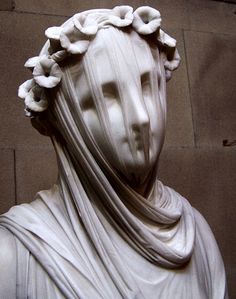
Roman sculpture was a blend of idealism and realism, drawing heavily from Greek traditions but with a distinctly Roman focus on portraiture. Roman sculptors captured not only the physical likeness of their subjects but also their character, as seen in the lifelike busts of emperors, generals, and philosophers. Statues of gods, emperors, and everyday citizens adorned public spaces, temples, and homes, offering a glimpse into the values of Roman society. The sculptures of Augustus, for example, idealized his role as a god-like ruler, while the detailed busts of Cicero and other statesmen showcased the intellectual vigor of the republic. Relief sculptures, often depicting historical events like military victories, told stories of Rome’s triumphs, immortalizing its leaders and achievements in stone and bronze.